
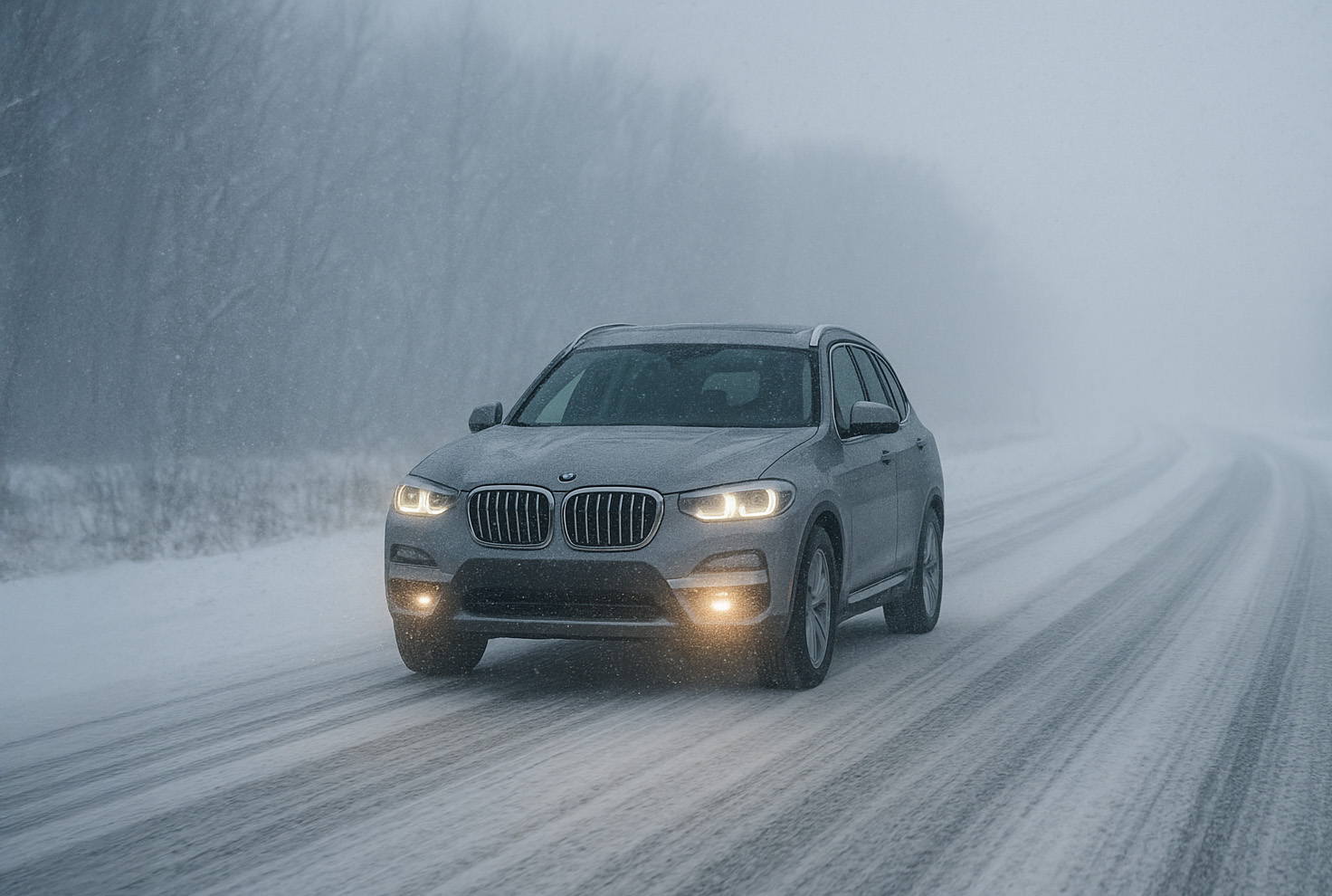
Winter in the Midwest is unpredictable and often unforgiving. Powerful snow storms can roll in quickly, bringing heavy snowfall, ice, strong winds, and dangerously low visibility. Roads that seem manageable one moment can become slick and hazardous the next. Whether you are commuting to work, traveling for the holidays, or running essential errands, understanding how to prepare for and drive during Midwest snow storms can make a major difference in your safety.
Below is a comprehensive guide to help you stay safe on the road, protect your vehicle, and understand when windshield damage should not be ignored.
Why Midwest Snow Storms Create Dangerous Driving Conditions
Midwest winters are known for rapid temperature swings and large-scale storm systems. These factors combine to create some of the most challenging driving conditions in the country.
Common hazards include:
- Heavy snowfall that reduces traction and covers lane markings
- Ice and black ice, especially on bridges, overpasses, and shaded roads
- Low visibility caused by falling snow, blowing drifts, and fog
- High winds that push vehicles, especially SUVs and trucks, off course
- Plow-created snowbanks that limit sightlines at intersections
Even experienced winter drivers can be caught off guard when conditions deteriorate faster than expected.
Preparing Your Vehicle Before a Winter Storm
The safest decision during a severe snow storm is to stay off the roads when possible. If driving is unavoidable, preparation is critical.
Before winter weather hits, make sure to:
- Check tire tread and inflation, as worn tires lose grip on snow and ice
- Ensure brakes, windshield wipers, and defrosters are working properly
- Top off windshield washer fluid with winter-rated fluid
- Keep your gas tank at least half full to avoid fuel line freezing
- Confirm that headlights, brake lights, and turn signals are clear and functioning
A well-maintained vehicle gives you better control and visibility when road conditions are poor.
How to Properly Defrost and Remove Snow and Ice
One of the most overlooked safety steps during winter storms is fully clearing your vehicle before driving. Snow and ice left behind can impair visibility and become dangerous projectiles for other drivers.
To safely defrost and clear your car:
- Start the vehicle and allow it to warm up long enough for defrosters to work
- Use a snow brush to remove snow from the roof, hood, trunk, and lights
- Gently scrape ice from all windows and mirrors using a proper ice scraper
- Avoid pouring hot water on your windshield, as rapid temperature changes can crack the glass
- Make sure windshield wipers are free of ice before turning them on
Driving with partially cleared windows or snow-covered roofs increases the risk of accidents and citations.
Tips for Driving on Snowy and Icy Roads
Driving on slick surfaces requires patience, focus, and controlled movements. Sudden actions can quickly lead to loss of control.
When driving in snow or ice:
- Reduce your speed and increase following distance
- Accelerate slowly to prevent wheel spin
- Brake gently and early, especially when approaching intersections
- Avoid sharp turns and sudden lane changes
- If your vehicle begins to skid, ease off the pedals and steer gently in the direction you want to go
If visibility becomes extremely poor or roads are not plowed, pulling over safely until conditions improve may be the best option.
Essential Items to Keep in Your Car During Winter Storms
Getting stranded during a Midwest snow storm is a real possibility, even on familiar roads. Keeping an emergency kit in your vehicle can help you stay safe until help arrives.
Recommended winter emergency items include:
- Ice scraper and snow brush
- Blanket, warm clothing, gloves, and hat
- Flashlight with extra batteries
- Jumper cables
- Phone charger or power bank
- Non-perishable snacks and bottled water
- Small shovel and bag of sand or kitty litter for traction
These items can provide warmth, visibility, and mobility if you become stuck.
How Snow and Ice Can Damage Your Windshield
Winter conditions are especially hard on windshields. Temperature extremes, road debris, and improper ice removal can all cause damage.
Common winter-related windshield issues include:
- Cracks spreading due to rapid temperature changes between cold air and a warm defroster
- Chips from road salt, gravel, and debris kicked up by plows and traffic
- Scratches caused by worn wipers or improper scraping tools
Even small chips can quickly grow into large cracks during freezing weather, reducing visibility and compromising structural integrity.
Preventing Windshield Damage During Winter
While not all damage can be avoided, you can reduce the risk by:
- Replacing worn windshield wipers before winter
- Using proper ice scrapers instead of metal or household tools
- Allowing the windshield to warm gradually before blasting hot air
- Repairing small chips early before they spread
Prompt attention to minor damage can often prevent the need for full replacement later.
When Windshield Replacement Becomes Necessary
If a crack spreads across the windshield, interferes with your line of sight, or weakens the glass, replacement is often the safest choice. A damaged windshield can reduce visibility during snow storms and may not properly support airbags in a collision.
Driving through Midwest winter conditions with compromised auto glass puts you and others at risk.
Get Help with Windshield Replacement
If winter weather has taken a toll on your windshield, using a trusted professional is essential. Glass.net’s free windshield replacement quote tool makes the process simple. We recommend up to three trusted shops in your area, allowing you to compare options and choose the one that best fits your needs.
Winter driving is challenging enough without worrying about visibility and glass damage. Staying prepared, driving cautiously, and addressing windshield issues early can help keep you safer on Midwest roads all season long.
To read more, visit blog.glass.net
