
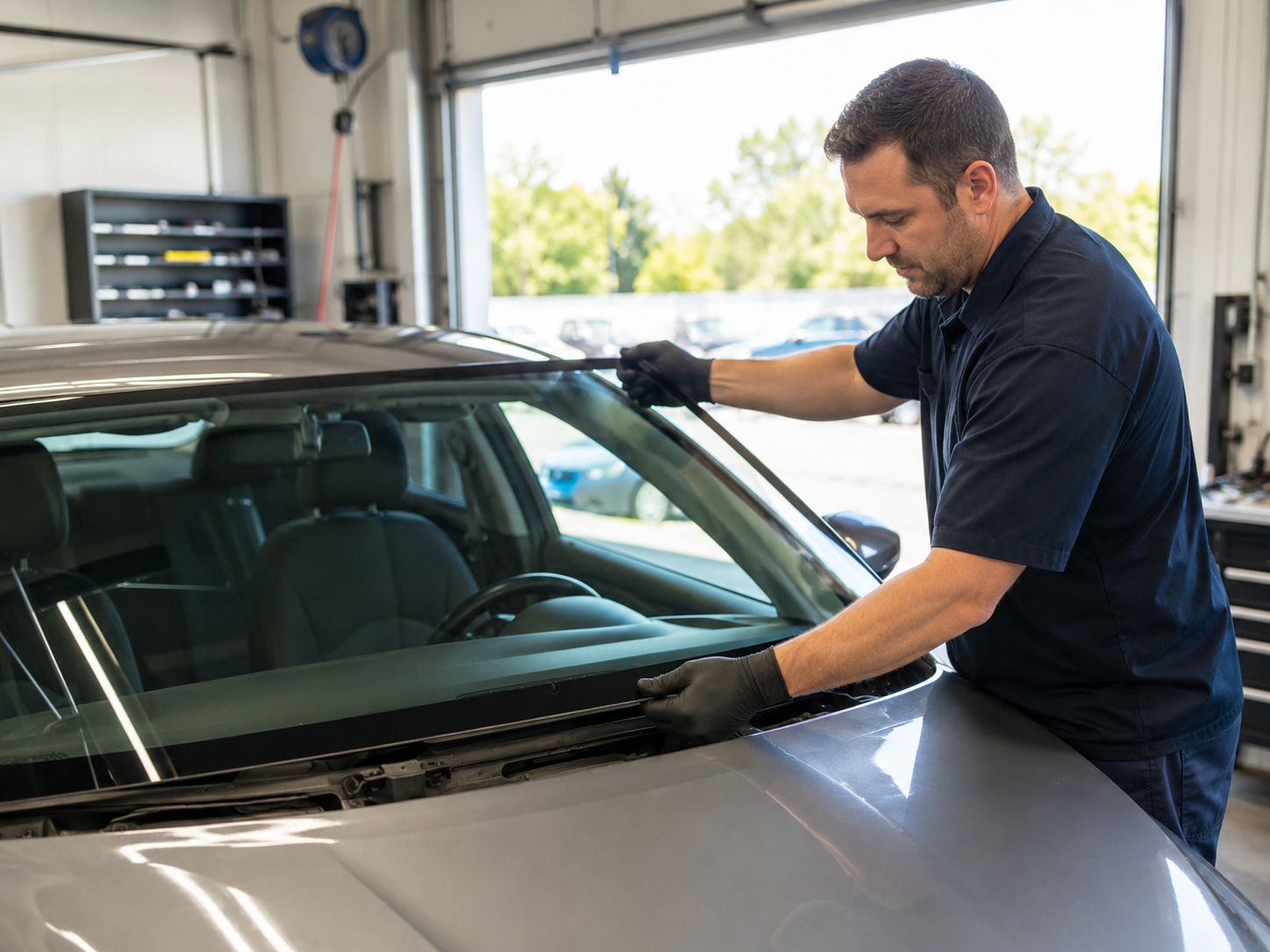
You call three shops. Same year, make, and model. The quotes come back: $389, $612, and $1,047.
If you’re staring at that spread wondering what’s going on, you’re not alone — and the highest quote isn’t necessarily a scam any more than the lowest one is a bargain. Auto glass pricing has gotten dramatically more complicated over the last decade, and the variation usually comes down to four or five real differences, not arbitrary markup.
Here’s what’s actually driving the gap.
1. The glass itself isn’t one product
Most drivers don’t realize there are typically three tiers of replacement glass available for any given vehicle:
- OEM — the same glass the factory installs, sourced through the dealer network or directly from the original supplier (Pilkington, Saint-Gobain, AGC, and others)
- OEE (OEM Equivalent) — made by the same manufacturers, often on the same production lines, just without the carmaker’s logo etched in the corner
- Aftermarket — produced by other glass manufacturers to fit the same vehicle
For a 2022 Honda CR-V, that can mean a $280 aftermarket windshield, a $440 OEE option, and a $720 OEM piece — all correct fitments for your car, but priced very differently. A shop’s choice of supplier alone can move a quote by hundreds of dollars.
2. Modern windshields are full of technology
If your car was built in the last five years, the windshield probably isn’t just glass. It might include:
- A bracket for the forward-facing camera that powers lane-keeping and emergency braking
- A rain/light sensor
- A heated wiper-park area
- An acoustic interlayer for cabin sound dampening
- A heads-up display (HUD) projection zone
- Solar or infrared-reflective coatings
- An embedded antenna
Each feature changes the part number — and the cost. Two trims of the same model can have a $400 difference in the glass alone. A shop that’s quoted low may be quoting the base trim’s windshield by accident. It’s worth asking which exact part number they’re sourcing.
3. ADAS calibration is its own line item
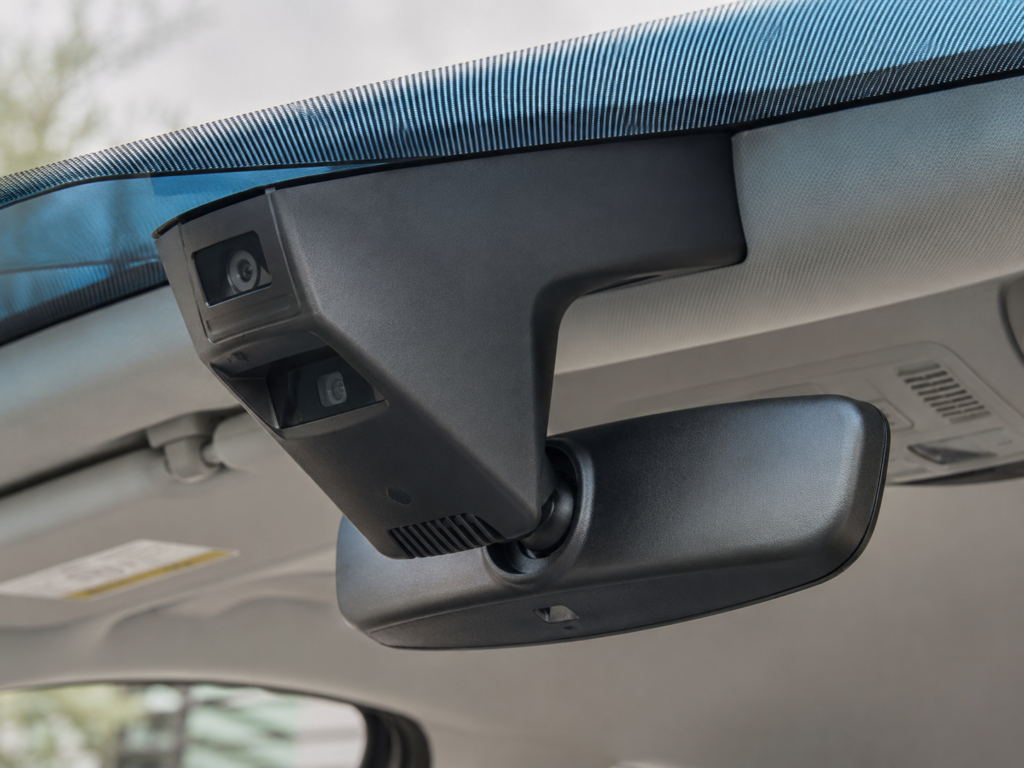
This is the single biggest change in auto glass pricing over the last few years. If your vehicle has a forward-facing camera — most cars built after 2018 do — that camera has to be recalibrated after the windshield is replaced. Skipping it isn’t cost-cutting; it’s a safety failure.
Calibration comes in a few flavors:
- Static — performed in the shop with targets on a level floor; typically $150–$350
- Dynamic — performed by driving the car on marked roads with a scan tool; typically $100–$250
- Dual — both required for some vehicles; can run $300–$600
Some shops include calibration in the total. Others list it separately. A few — almost always the cheapest quotes — don’t mention it at all and assume you’ll handle it elsewhere. That’s the most common reason a “great deal” turns into a problem two weeks later.
4. Labor, adhesive, and the parts you don’t see
A proper windshield replacement uses fresh moldings, new clips, a primer, and a urethane adhesive rated for your vehicle’s safe drive-away time. Cutting any of these corners saves the shop money and shortens the life of the install.
The urethane alone varies by quality grade. Premium high-modulus urethanes that allow safe drive-away in 30 minutes cost more than basic adhesives that need four hours to cure. Moldings and cowl clips often have to be replaced rather than reused — on some vehicles, that’s a $100+ parts add by itself.
5. Shop credentials, training, and overhead
Shops registered with the Auto Glass Safety Council follow the ANSI/AGSC standard for retention bond strength. Their technicians are certified, audited, and required to use compliant materials. That training and process discipline costs money — and shows up in the quote.
A shop running out of a van with no certifications may genuinely be able to do a clean install on a simple vehicle. On a modern car with ADAS, the risk profile is different.
6. Mobile vs. in-shop
Mobile service is usually $0–$50 more than in-shop, but the bigger consideration is the environment. A windshield needs a clean, dry, temperature-stable space for the adhesive to cure properly. A driveway in 35-degree drizzle isn’t that. A reputable mobile installer will reschedule rather than install in bad conditions — and that’s a feature, not a bug.
7. Insurance pricing vs. cash pricing
If you’re filing a claim, the shop is often working from a negotiated rate set by your insurer’s network. Cash customers sometimes get a better deal — and sometimes get a worse one, depending on the shop and the market. Always ask both ways.
What to do with three different quotes
Don’t choose by price alone. Ask each shop:
- What brand and tier of glass are you quoting — OEM, OEE, or aftermarket?
- Is ADAS calibration included? Static, dynamic, or both?
- Are new moldings and clips included in the price?
- What’s the safe drive-away time on the adhesive you use?
- Are you AGSC registered?
If two shops give the same answers to those five questions and the price is still different, then you’re comparing apples to apples and the cheaper one wins. If the answers differ, you weren’t really comparing the same job.
The goal isn’t the lowest number on the page. It’s the lowest number for the install that actually keeps your car — and the safety systems that depend on that windshield — working the way they’re supposed to.
