
Welcome to Glass.NET Blog
-

Can You Get Your Windshield Replaced at Home?
If your windshield is cracked, chipped, or completely shattered, one of the first questions you might ask is: do I really have to take my car somewhere to get it fixed? Read More
-
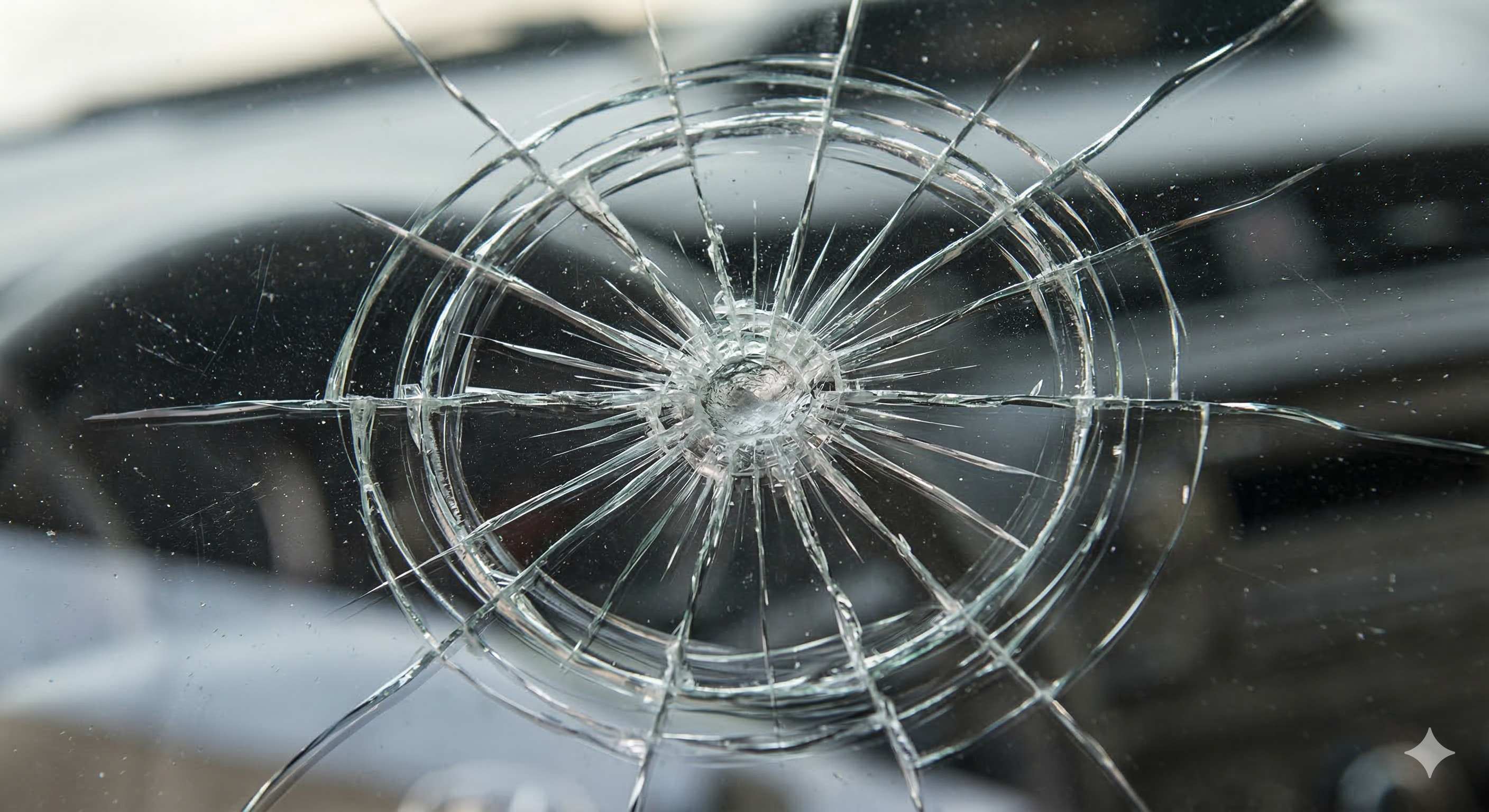
Why That “Little” Hail Chip is a Bigger Deal Than You Think
We’ve all been there: you’re driving along or parked at the store when the sky opens up. You hear that dreaded “thwack” of a hailstone hitting your glass. Read More
-
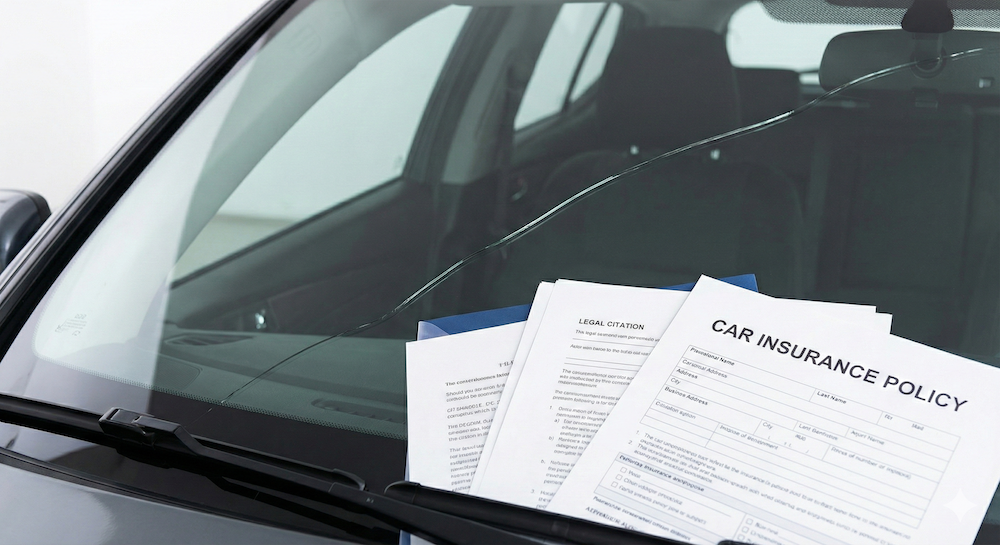
Navigating the Legalities of Driving with a Damaged Windshield
When a vehicle’s windshield sustains damage, drivers are often uncertain about their legal obligations and the potential liabilities of continuing to operate the vehicle. The legality of driving with a cracked windshield is not governed by a single federal mandate for passenger vehicles, but rather by a patchwork of state-specific statutes. Understanding these legal nuances… Read More
-
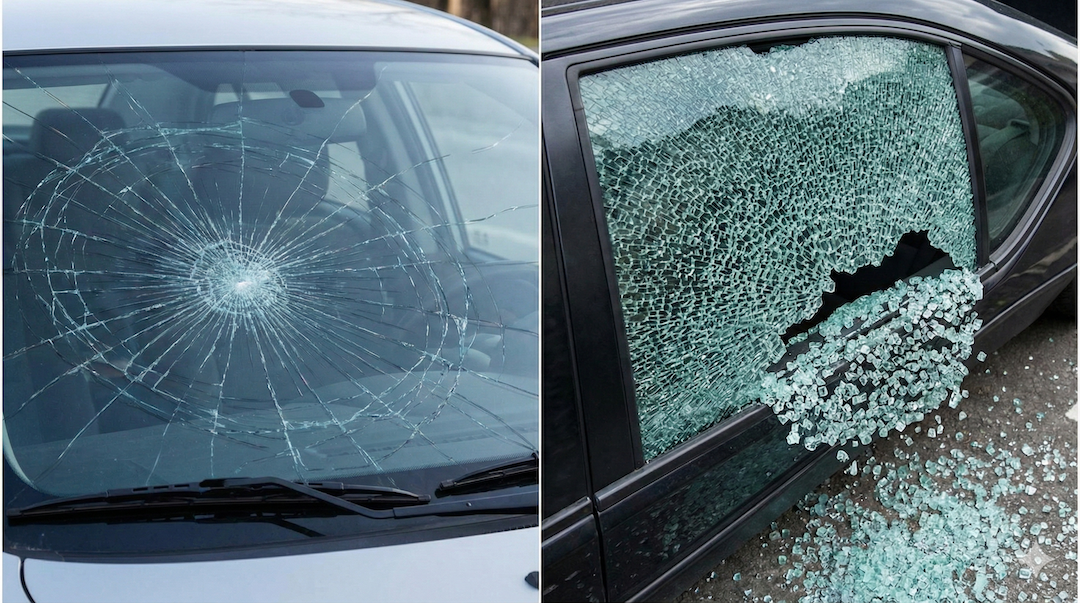
Tempered vs. Laminated: Why Your Side Windows Shatter Differently Than Your Windshield
If you’ve ever seen a car accident—or been the victim of a “smash and grab” theft—you’ve noticed that different windows break in very different ways. Read More
-
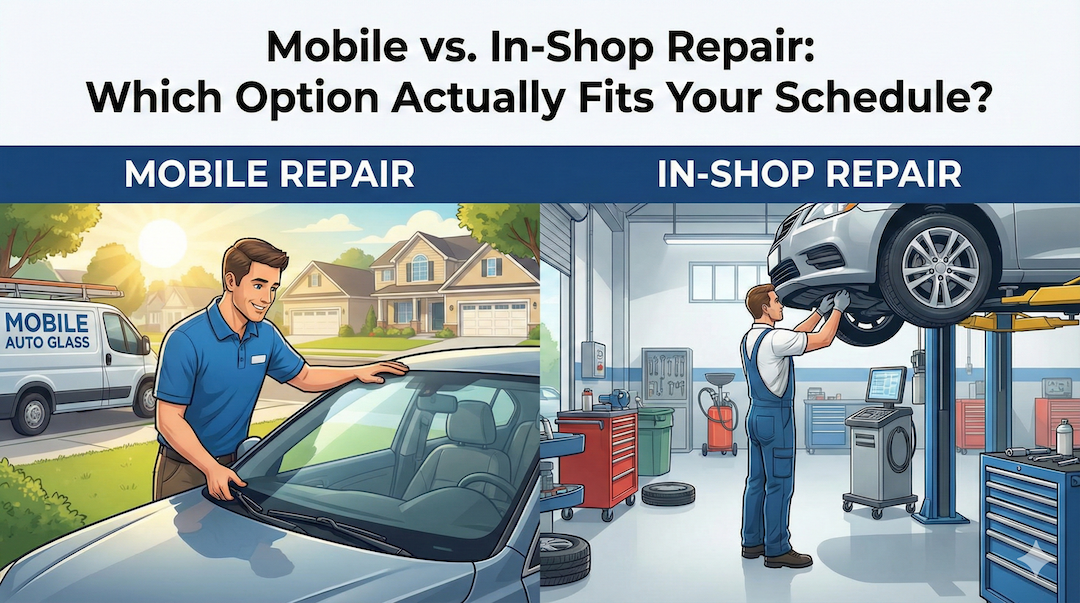
Mobile vs. In-Shop Repair: Which Option Actually Fits Your Schedule?
We’ve all been there: You’re driving, you hear that dreaded thwack, and suddenly there’s a fresh chip staring you in the face. Now comes the dilemma. Read More
-
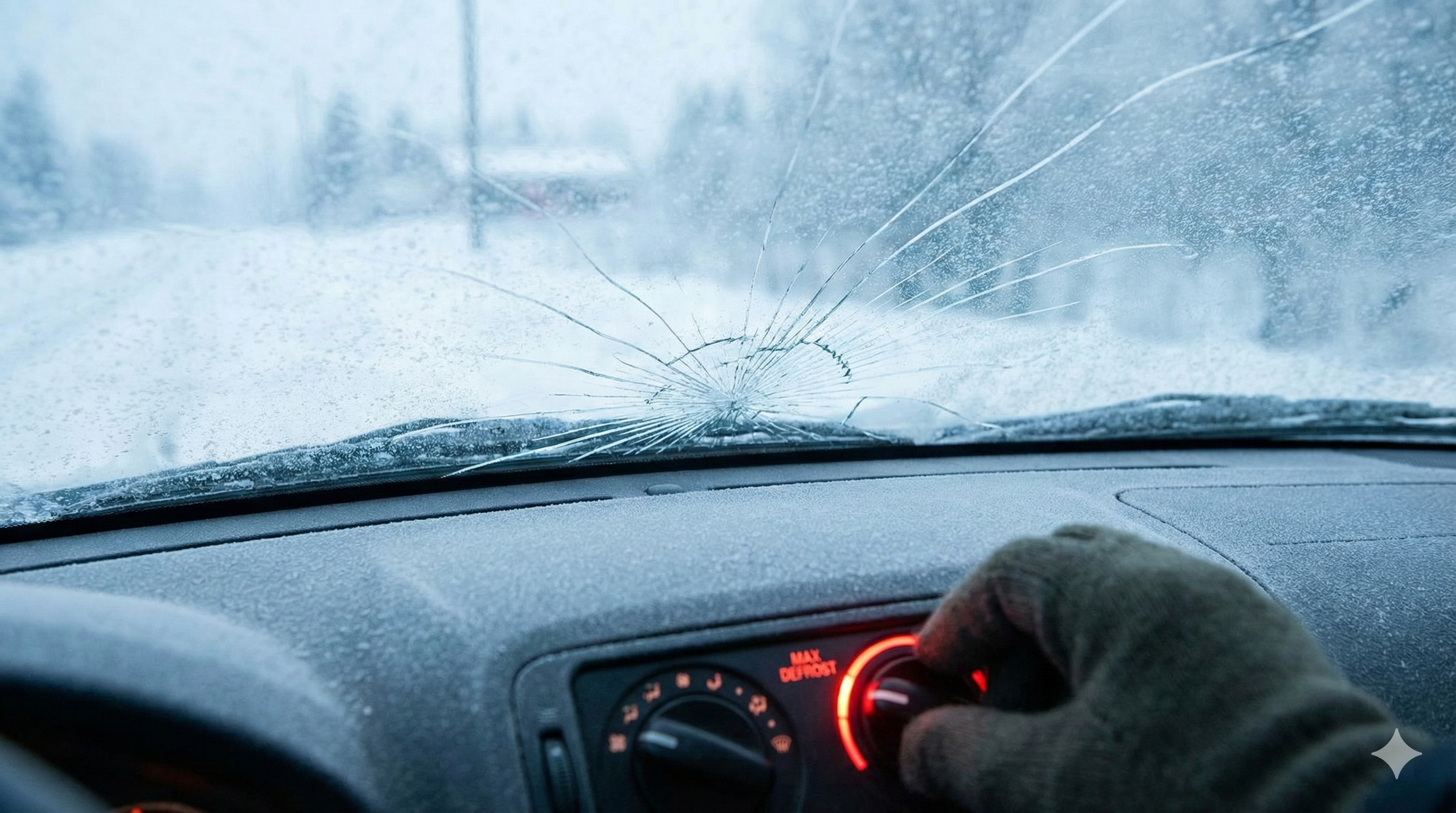
The “Thermal Shock” Effect: Why Blasting Your Defroster in Winter Cracks Your Windshield
It’s a freezing morning. Your car is covered in frost, you’re running late, and your breath is visible inside the cabin. Your instinct is to crank the heater and the defroster to “High” immediately. Read More
-
Top 7 Reasons Windshield Prices Vary So Much
If you’ve ever searched for a windshield replacement quote and wondered why prices can range from “surprisingly cheap” to “are you kidding me?”, you’re not alone. Read More
-

Getting Your Windshield Replaced in the New Year 2026: What Every Driver Should Know
Learn how to get your windshield replaced in 2026, why glass damage matters for safety, and how to compare local shops using Glass.net. Read More
-
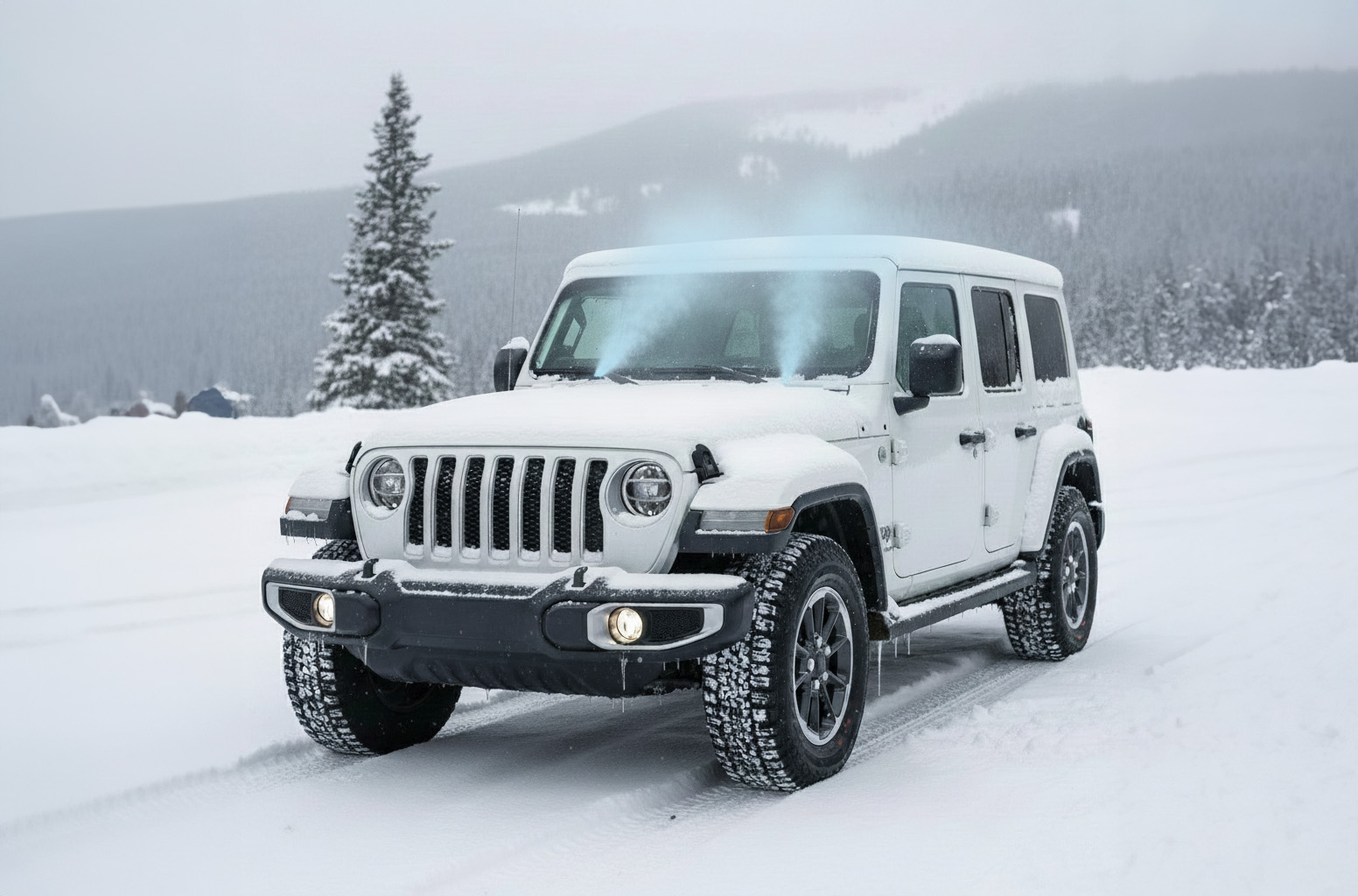
Why Your Windshield Washer Fluid Matters: De-Ice For Winter
Find out which windshield washer fluid prevents ice damage, protects wipers, and improves visibility in the freezing temperatures during winter. Read More