
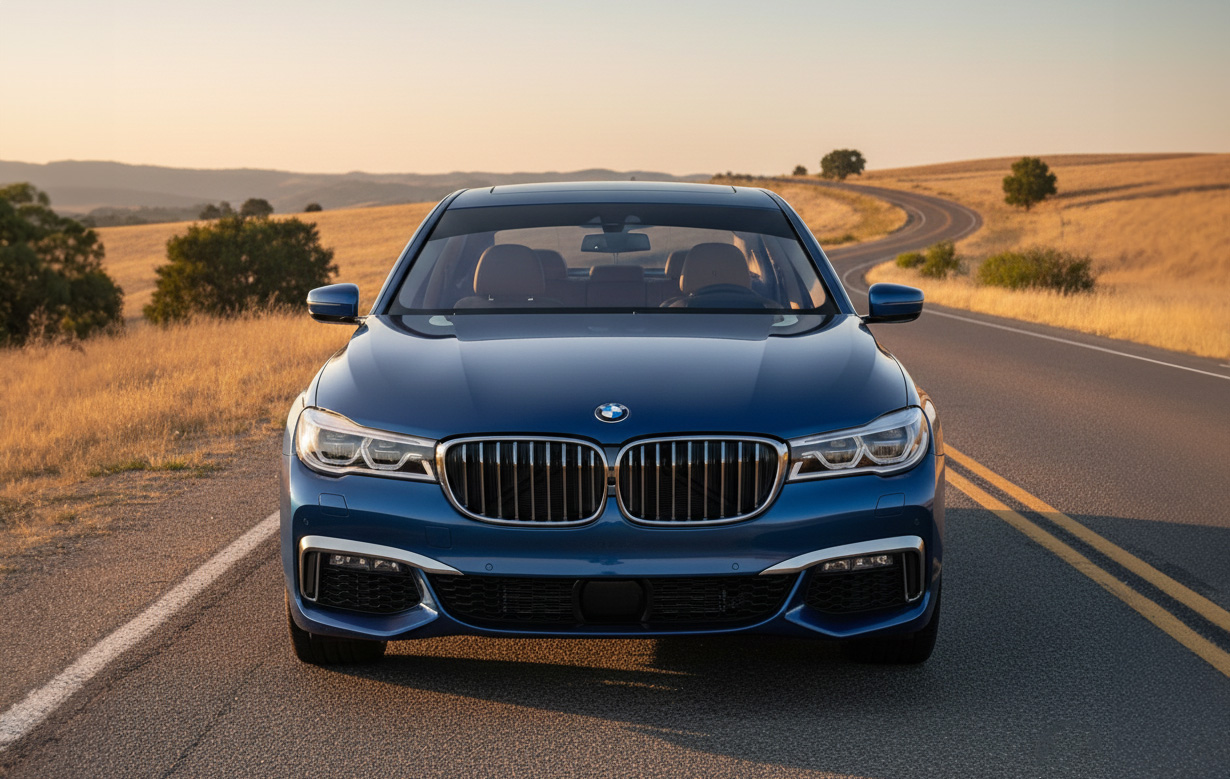
Tinted windshields can make a car look sleek and offer real benefits like lower glare and improved comfort, but the rules surrounding windshield tint are stricter than almost any other area of auto customization. Every state sets its own limits for how much tint you can legally apply, and the penalties for getting it wrong can include tickets, failed inspections, or being forced to remove the film entirely.
This guide breaks down what you can legally tint on a windshield, why state tint limits exist, how to legally tint your auto glass (including medical permits), and a complete overview of tint laws by state. Near the end, we’ll also cover what happens when your windshield needs replacement and why choosing a trusted shop matters.
Why Windshield Tint Laws Exist
Unlike side or rear windows, the windshield is the primary visual field for the driver. States regulate windshield tint because:
- Visibility and Safety: Dark tint reduces the amount of visible light entering the cabin, which can make it harder to see pedestrians, cyclists, or road hazards.
- Night Driving Concerns: Windshield tint can significantly impair low-light visibility.
- Law Enforcement Visibility: Officers need to see inside the vehicle for safety during traffic stops.
- Glare and UV Balance: A small amount of top-strip tint is allowed in most states to reduce sun glare without compromising driver vision.
Windshields generally receive the strictest regulations because even small reductions in clarity can affect reaction time and overall driving safety.
What Parts of the Windshield You Can Legally Tint
While every state is different, almost all follow the same basic rules for windshields:
1. Non-Reflective “Eyebrow” Strip
Most states allow a non-reflective tint strip at the top of the windshield.
This strip is usually regulated in one of two ways:
- AS-1 Line Rule: Tint is allowed down to the manufacturer-marked AS-1 line.
- Fixed Depth Rule: Tint is allowed in the top 4 to 6 inches of the windshield.
2. Full Windshield Tint (Limited States Only)
Only a handful of states allow tint across the entire windshield, and even then:
- It must be very light (commonly 70 percent VLT or higher).
- It can be restricted to medical exemptions only in some states.
3. No Tint Beyond the Strip
Most states ban tinting the entire windshield unless a medical exemption applies.
Understanding Tint Terms
Before reviewing state-by-state laws, here are the key terms you’ll see:
- VLT (Visible Light Transmission): The percentage of visible light allowed through the film and glass.
Higher number = lighter tint. Lower number = darker tint. - Reflectivity Limits: Some states regulate reflective or mirrored tint.
- AS-1 Line: A line marked on most windshields showing the maximum legal tint location.
- Medical Exemptions: Special permits allowing darker tint for certain medical conditions.
Medical Tint Exemptions: How They Work
Drivers with certain conditions may qualify for legal tint beyond standard limits. Approvals vary by state but often apply to:
- Lupus
- Photosensitivity disorders
- Albinism
- Melanoma
- Severe light sensitivity linked to medical treatments
To receive an exemption, you typically need:
- A doctor’s note or medical certification
- Application submitted to your state’s DMV
- Permit displayed in the car or filed with the state
A medical exemption does not allow unlimited tint; it only permits tint levels specified by your state’s regulations.
State-by-State Windshield Tint Laws (2025 Guide)
Below is a summarized list of each state’s windshield tint rules. Laws change occasionally, but these reflect the most widely recognized regulations as of 2025.
Format of List:
Windshield: What tint is allowed on the windshield
Eyebrow Strip: AS-1 line or inch limitation
- Alabama
- Windshield: Tint allowed above the AS-1 line
Eyebrow Strip: Non-reflective tint above AS-1
- Windshield: Tint allowed above the AS-1 line
- Alaska
- Windshield: Tint allowed in top 5 inches
Eyebrow Strip: 5 inches only
- Windshield: Tint allowed in top 5 inches
- Arizona
- Windshield: Non-reflective tint above AS-1
Eyebrow Strip: AS-1 line
- Windshield: Non-reflective tint above AS-1
- Arkansas
- Windshield: Tint allowed above AS-1
Eyebrow Strip: AS-1 line only
- Windshield: Tint allowed above AS-1
- California
- Windshield: Clear, colorless tint allowed on full windshield
Eyebrow Strip: Top 4 inches
- Windshield: Clear, colorless tint allowed on full windshield
- Colorado
- Windshield: Clear, non-reflective tint above AS-1
Eyebrow Strip: AS-1 line
- Windshield: Clear, non-reflective tint above AS-1
- Connecticut
- Windshield: Tint allowed above AS-1
Eyebrow Strip: AS-1 line only
- Windshield: Tint allowed above AS-1
- Delaware
- Windshield: Tint allowed in top 5 inches
Eyebrow Strip: 5 inches only
- Windshield: Tint allowed in top 5 inches
- Florida
- Windshield: Clear tint allowed on full windshield
Eyebrow Strip: Top AS-1 line only
- Windshield: Clear tint allowed on full windshield
- Georgia
- Windshield: Tint allowed in top 6 inches
Eyebrow Strip: 6 inches only
- Windshield: Tint allowed in top 6 inches
- Hawaii
- Windshield: Tint allowed in top 4 inches
Eyebrow Strip: 4 inches only
- Windshield: Tint allowed in top 4 inches
- Idaho
- Windshield: Tint allowed in top 6 inches
Eyebrow Strip: 6 inches only
- Windshield: Tint allowed in top 6 inches
- Illinois
- Windshield: Non-reflective tint allowed above AS-1
Eyebrow Strip: AS-1 line
- Windshield: Non-reflective tint allowed above AS-1
- Indiana
- Windshield: Tint allowed in top 6 inches
Eyebrow Strip: 6 inches only
- Windshield: Tint allowed in top 6 inches
- Iowa
- Windshield: Tint allowed above AS-1
Eyebrow Strip: AS-1 line
- Windshield: Tint allowed above AS-1
- Kansas
- Windshield: Tint allowed in top portion, up to AS-1 line
Eyebrow Strip: AS-1 line
- Windshield: Tint allowed in top portion, up to AS-1 line
- Kentucky
- Windshield: Tint allowed above AS-1
Eyebrow Strip: AS-1 line
- Windshield: Tint allowed above AS-1
- Louisiana
- Windshield: Tint allowed in top 5 inches
Eyebrow Strip: 5 inches only
- Windshield: Tint allowed in top 5 inches
- Maine
- Windshield: Tint allowed in top 4 inches
Eyebrow Strip: 4 inches only
- Windshield: Tint allowed in top 4 inches
- Maryland
- Windshield: Tint allowed in top 5 inches
Eyebrow Strip: 5 inches only
- Windshield: Tint allowed in top 5 inches
- Massachusetts
- Windshield: Tint allowed in top 6 inches
Eyebrow Strip: 6 inches only
- Windshield: Tint allowed in top 6 inches
- Michigan
- Windshield: Tint allowed in top 4 inches
Eyebrow Strip: 4 inches only
- Windshield: Tint allowed in top 4 inches
- Minnesota
- Windshield: Tint allowed in top 3 inches
Eyebrow Strip: 3 inches only
- Windshield: Tint allowed in top 3 inches
- Mississippi
- Windshield: Tint allowed above AS-1
Eyebrow Strip: AS-1 line
- Windshield: Tint allowed above AS-1
- Missouri
- Windshield: Tint allowed in top 6 inches
Eyebrow Strip: 6 inches only
- Windshield: Tint allowed in top 6 inches
- Montana
- Windshield: Tint allowed in top 4 inches
Eyebrow Strip: 4 inches only
- Windshield: Tint allowed in top 4 inches
- Nebraska
- Windshield: Tint allowed in top 5 inches
Eyebrow Strip: 5 inches only
- Windshield: Tint allowed in top 5 inches
- Nevada
- Windshield: Non-reflective tint allowed in top 6 inches
Eyebrow Strip: 6 inches only
- Windshield: Non-reflective tint allowed in top 6 inches
- New Hampshire
- Windshield: Tint only with medical exemption
Eyebrow Strip: None unless exempted
- Windshield: Tint only with medical exemption
- New Jersey
- Windshield: No tint allowed except medical
Eyebrow Strip: None unless medically exempt
- Windshield: No tint allowed except medical
- New Mexico
- Windshield: Non-reflective tint allowed in top 5 inches
Eyebrow Strip: 5 inches only
- Windshield: Non-reflective tint allowed in top 5 inches
- New York
- Windshield: 70 percent VLT or lighter; non-reflective tint only
Eyebrow Strip: None beyond the required light transmission
- Windshield: 70 percent VLT or lighter; non-reflective tint only
- North Carolina
- Windshield: Tint allowed in top 5 inches
Eyebrow Strip: 5 inches only
- Windshield: Tint allowed in top 5 inches
- North Dakota
- Windshield: Tint allowed in top 5 inches
Eyebrow Strip: 5 inches only
- Windshield: Tint allowed in top 5 inches
- Ohio
- Windshield: Tint allowed in top 5 inches
Eyebrow Strip: 5 inches only
- Windshield: Tint allowed in top 5 inches
- Oklahoma
- Windshield: Tint allowed in top 5 inches
Eyebrow Strip: 5 inches only
- Windshield: Tint allowed in top 5 inches
- Oregon
- Windshield: Tint allowed in top 6 inches
Eyebrow Strip: 6 inches
- Windshield: Tint allowed in top 6 inches
- Pennsylvania
- Windshield: Tint allowed in top 3 inches
Eyebrow Strip: 3 inches
- Windshield: Tint allowed in top 3 inches
- Rhode Island
- Windshield: Tint allowed in top 3 inches
Eyebrow Strip: 3 inches only
- Windshield: Tint allowed in top 3 inches
- South Carolina
- Windshield: Tint allowed in top AS-1 area
Eyebrow Strip: AS-1
- Windshield: Tint allowed in top AS-1 area
- South Dakota
- Windshield: Tint allowed in top AS-1 area
Eyebrow Strip: AS-1
- Windshield: Tint allowed in top AS-1 area
- Tennessee
- Windshield: Tint allowed in top AS-1 area
Eyebrow Strip: AS-1
- Windshield: Tint allowed in top AS-1 area
- Texas
- Windshield: 25 percent VLT on top 5 inches or above AS-1
Eyebrow Strip: 5 inches or AS-1, whichever is lower
- Windshield: 25 percent VLT on top 5 inches or above AS-1
- Utah
- Windshield: Tint allowed in top 4 inches
Eyebrow Strip: 4 inches
- Windshield: Tint allowed in top 4 inches
- Vermont
- Windshield: No tint allowed
Eyebrow Strip: None
- Windshield: No tint allowed
- Virginia
- Windshield: 70 percent VLT allowed
Eyebrow Strip: Tint allowed in top 5 inches
- Windshield: 70 percent VLT allowed
- Washington
- Windshield: Tint allowed in top 6 inches
Eyebrow Strip: 6 inches only
- Windshield: Tint allowed in top 6 inches
- West Virginia
- Windshield: Tint allowed in top 5 inches
Eyebrow Strip: 5 inches only
- Windshield: Tint allowed in top 5 inches
- Wisconsin
- Windshield: Tint allowed in top 5 inches
Eyebrow Strip: 5 inches only
- Windshield: Tint allowed in top 5 inches
- Wyoming
- Windshield: Tint allowed in top 5 inches
Eyebrow Strip: 5 inches only
- Windshield: Tint allowed in top 5 inches
Choosing the Right Tint: What’s Legal and What’s Not
Even if you’re allowed to tint the windshield in your state, it must also meet other regulations:
Legal Tint Generally Must:
- Be non-reflective
- Not obscure the driver’s vision
- Comply with VLT limits
- Not contain mirrored or metallic effects (in most states)
- Be installed without bubbles, cracks, or defects
Illegal Tint Typically Includes:
- Full-windshield film darker than 70 percent VLT (in states where full tint is allowed)
- Reflective or mirrored windshield tint
- Colored tints like red, blue, or amber (banned in most states)
- Any tint below the AS-1 line unless explicitly permitted
What Happens If Your Windshield Needs to Be Replaced?
If your windshield is chipped or cracked, any tint attached to it will be lost during replacement. And because laws vary so much from state to state, the shop performing your replacement must know the correct legal tint requirements.
Why Choosing a Trusted Shop Matters
A reputable glass shop will:
- Replace your windshield with correct OEM or OEM-equivalent glass
- Ensure any legal tint strip is reinstallable in compliance with your state laws
- Inform you if your previous tint was illegal
- Provide proper UV-blocking features included with many modern windshields
- Help protect ADAS cameras and sensors if your vehicle requires recalibration
Bad installations can lead to visibility issues, damage to factory coatings, or even failed inspections.
Use Glass.net to Compare Windshield Replacement Quotes
If you’re replacing your windshield and need a shop you can trust, Glass.net makes it easy to compare up to three local companies in minutes.
Just enter your vehicle information and zip code, and you’ll receive free quotes from vetted, highly rated auto glass pros near you.
Click Here to use our Free Quote Tool Today!
To read more, visit blog.glass.net
