
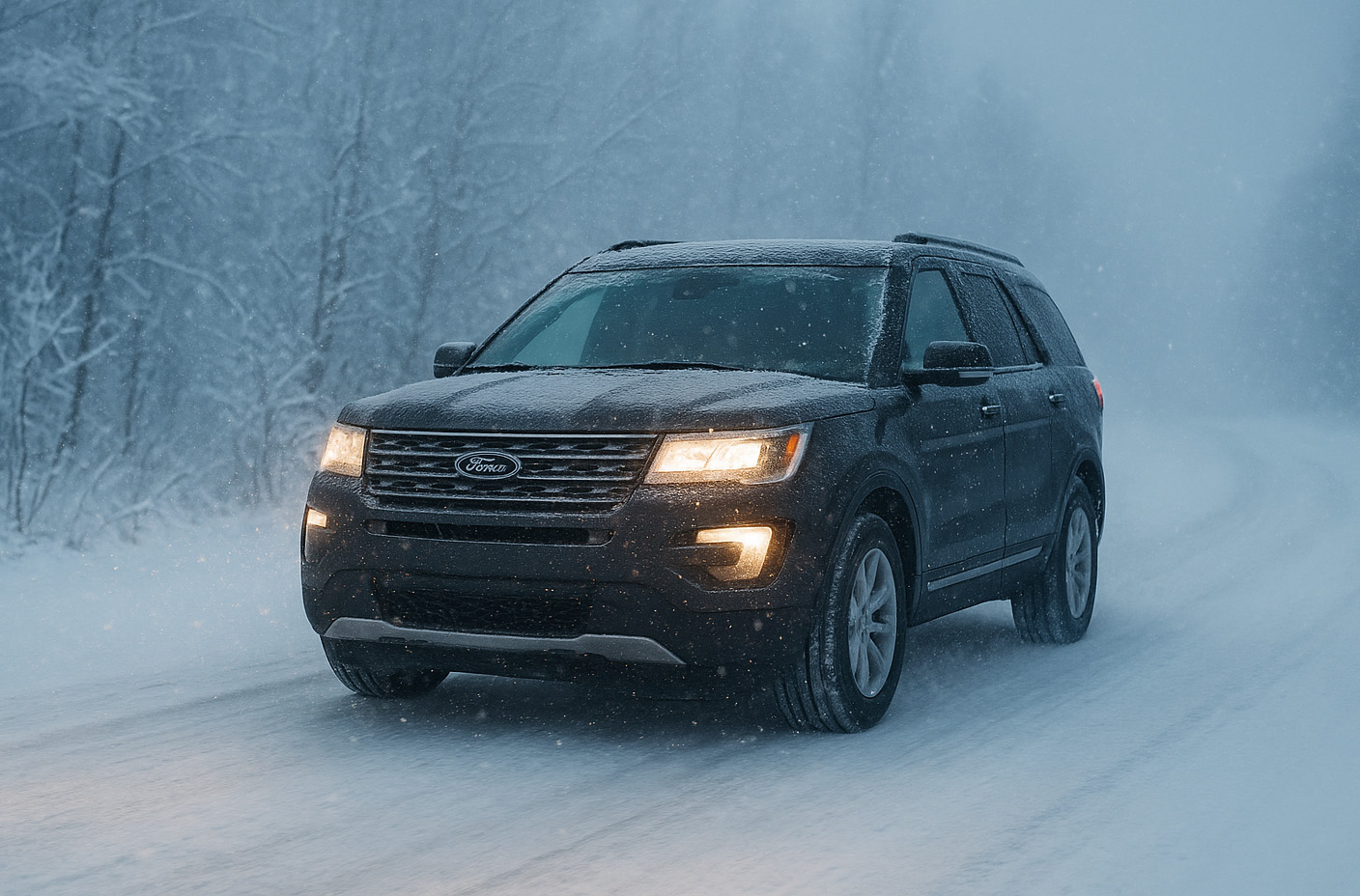
Winter driving brings a unique set of challenges that can quickly turn an ordinary trip into a stressful or dangerous situation. Snow, ice, freezing rain, and early nightfall all reduce visibility and traction, making it essential to prepare both your vehicle and your driving habits for the cold season. One of the most important parts of staying safe in winter is taking care of your windshield, since it plays a major role in maintaining clear visibility.
This condensed guide covers the most important steps for preparing your vehicle, understanding winter road conditions, managing common windshield hazards, and knowing when it’s time to repair or replace your windshield.
1. Get Your Vehicle Ready Before Temperatures Drop
A well-prepared vehicle is your best defense against winter hazards. Tires should be inspected early in the season, since cold weather reduces tire pressure and worn tread limits traction on snowy or icy surfaces. Winter tires are often the best choice for colder climates because their rubber compounds stay flexible in low temperatures.
Your vehicle’s battery also deserves attention because cold weather can dramatically reduce its ability to start. Having the battery tested before winter begins can prevent unexpected breakdowns.
Windshield wipers and fluid are equally important. Old or streaking blades can make it nearly impossible to see through snow and road slush, while regular washer fluid may freeze in very cold conditions. Switching to winter-grade washer fluid and verifying that your vehicle’s heater and defroster are working properly will help keep your windshield clear throughout the season.
2. Understand and Adapt to Changing Winter Road Conditions
Winter roads can change quickly, and drivers must adjust their behavior accordingly. Snow-packed roads often reduce traction and make it more difficult to accelerate, brake, and steer. Black ice, which is frequently invisible, forms on bridges and shaded areas and can cause sudden loss of control.
Slush can also create problems by hiding potholes or making the vehicle feel unstable. Salt and sand thrown up by other vehicles reduce visibility and often require more frequent use of your wipers and washer fluid.
Because of these unpredictable conditions, it’s important to slow down, increase following distance, and stay alert for drivers who may not be adjusting their habits for the weather.
3. Protecting Your Windshield in Winter
Your windshield faces more stress in winter than during any other season. Cold temperatures cause the glass to contract, making small chips more likely to turn into cracks. Sudden temperature changes, such as turning the defroster on full blast while the windshield is still frozen, can also cause cracking.
Ice removal is another common cause of damage. Using a metal scraper, pouring hot water on the glass, or scraping aggressively can scratch the windshield or cause thermal shock. Snow and slush thrown from other vehicles may contain gravel or ice chunks that chip the glass, which is why inspecting the windshield regularly is so important.
If a chip or crack appears, it should be addressed right away. Winter weather accelerates damage due to freezing moisture, rough road conditions, and temperature fluctuations.
4. Common Winter Windshield Hazards and How to Handle Them
Ice buildup, snow accumulation, and fogging all make it harder to maintain clear visibility. The solutions are simple but important:
- Warm the vehicle gradually and use the defroster at a moderate temperature to safely loosen ice.
- Clear snow from the windshield, roof, headlights, and mirrors before driving to avoid reduced visibility or blowing snow.
- Use the defroster with A/C to reduce interior moisture and prevent fogged windows.
- Allow the windshield to warm before using the wipers to avoid damaging the blades or motor.
By taking a few extra minutes to clear your vehicle properly, you significantly reduce the risk of driving with obstructed visibility.
5. Safe Driving Habits for Winter Conditions
Safe winter driving comes down to caution, awareness, and preparation. Slowing down and leaving more room between vehicles allows for safer stopping distances on slippery roads. Using headlights during snow, fog, or cloudy conditions improves visibility and helps other drivers see you more easily. Cruise control should be avoided on icy or snowy roads because it reduces your ability to respond quickly to changing traction.
Most importantly, you must pay close attention to the behavior of other drivers, especially those who may be traveling too fast for conditions or braking suddenly.
6. Why Winter Windshield Replacement Matters
A damaged windshield becomes a larger hazard during winter. Cracks can spread quickly due to cold temperatures, vibrations from driving on snow and ice, and moisture freezing inside the damaged area. A compromised windshield reduces visibility, weakens your vehicle’s structural strength, and may interfere with proper airbag deployment.
If you notice any damage, whether it’s a small chip or a spreading crack, it’s best to take care of it immediately.
Compare Local Shops With Glass.net’s Free Quote Tool
If you discover windshield damage this winter, don’t wait for it to spread.
Use our free quote tool on Glass.net to compare up to three trusted local shops for windshield replacement. Getting multiple quotes helps you find the best price, availability, and service, especially during peak winter season.
To read more, visit blog.glass.net
